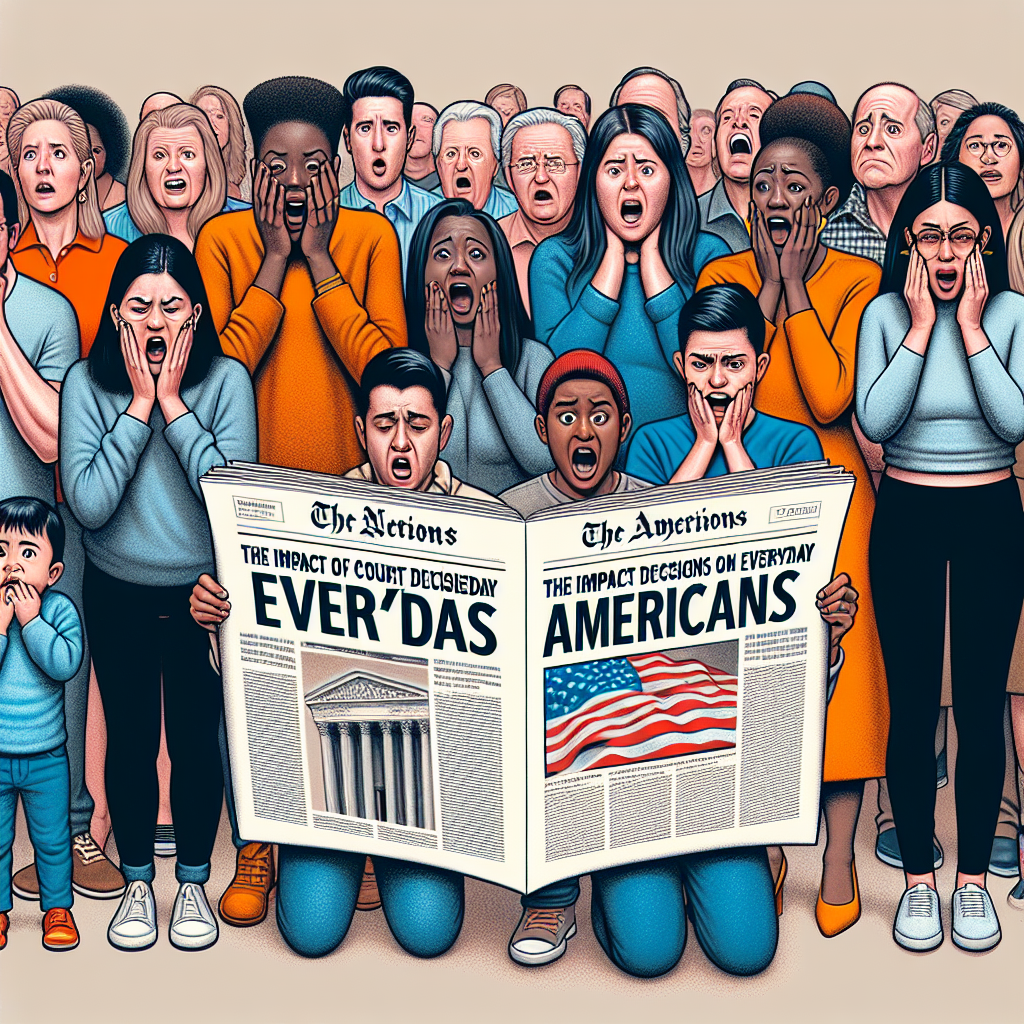
The Supreme Court of the United States plays a crucial role in shaping the law and interpreting the Constitution. Its decisions have far-reaching implications for American society, affecting everything from individual rights to commercial practices. This article explores how Supreme Court decisions impact the daily lives of ordinary citizens, focusing on key cases, themes, and broader societal trends.
Understanding the Role of the Supreme Court
H2: The Judicial System Overview
The U.S. judicial system is designed to interpret and apply the law, ensuring justice and fairness. The Supreme Court is the highest court in the federal judiciary and primarily handles cases relating to constitutional issues and federal law. Its role is vital in maintaining the balance of power among the legislative, executive, and judicial branches of government. The decisions made by the Supreme Court are final and binding, influencing all lower courts and sometimes even state laws.
H2: The Process of Supreme Court Decisions
H3: Case Selection and Hearing
The Court receives thousands of petitions each year but only hears a small percentage of them. Typically, cases chosen involve significant constitutional questions or issues that affect a large segment of the population. Once a case is selected, it undergoes rigorous examination, with oral arguments allowing justices to question the lawyers involved.
H3: The Decision-Making Process
Once cases are heard, the justices deliberate and reach a decision. This process can take weeks or months, and the opinions written by justices serve as a way to explain their reasoning. Official opinions, dissenting opinions, and concurring opinions provide essential perspectives on the rulings and set precedents for future cases.
Key Supreme Court Decisions Affecting Everyday Americans
H2: Landmark Cases
Several landmark Supreme Court decisions have had a profound impact on American life. Here are some key cases:
H3: Brown v. Board of Education (1954)
This landmark case declared the segregation of public schools unconstitutional, fundamentally altering the educational landscape in America. It paved the way for the civil rights movement, impacting not only educational institutions but also public facilities and services across the country.
H3: Roe v. Wade (1973)
Roe v. Wade established a woman’s right to choose abortion, significantly impacting women’s rights and reproductive health. This case has been a cornerstone of the ongoing debate surrounding women’s rights and health care access.
H3: Obergefell v. Hodges (2015)
This decision legalized same-sex marriage nationwide, marking a crucial victory for LGBTQ rights. The ruling granted same-sex couples the same legal rights and protections afforded to heterosexual couples, reshaping the cultural landscape of America.
H3: Citizens United v. Federal Election Commission (2010)
The ruling in Citizens United transformed campaign finance laws, allowing for unlimited corporate spending in elections. This decision has had substantial implications for political processes, shaping how elections are contested and funded, ultimately influencing democratic engagement.
The Ripple Effect of Supreme Court Decisions
H2: Influencing State Laws
Supreme Court decisions don’t only apply to federal law; they influence state statutes and local regulations. States often look to the Supreme Court for guidance in interpreting laws, which can lead to sweeping changes even at the local level.
H2: Public Policy and Regulation Impact
Supreme Court rulings impact public policy, particularly in areas such as health care, immigration, and civil rights. When the Supreme Court renders a decision, it often signals to lawmakers the direction in which policy should evolve, resulting in legislative reforms or, at times, gridlocks.
Everyday Impacts: A Closer Look
H2: Job Security and Workplace Policies
Supreme Court decisions influence employment law, affecting workplace policies regarding discrimination, workplace safety, and employee rights. For instance, rulings concerning minimum wage and working conditions establish standards that can directly affect the livelihoods of millions.
H2: Personal Freedoms and Civil Rights
From free speech to the right to privacy, many Supreme Court cases define the personal freedoms that shape daily life. Understanding these rights is essential for citizens, especially in an era where legal interpretations can shift dramatically with changing court compositions.
H2: Economic Implications
The Court’s decisions often have economic ramifications. From antitrust rulings affecting large corporations to decisions altering tax laws, the Supreme Court influences how businesses operate and compete, which ultimately affects consumer prices and job opportunities.
The Role of Public Opinion
H2: Shaping and Reflecting Social Change
The Supreme Court also acts as a mirror reflecting societal values. Decisions often align with public sentiment, but they can also initiate change when the Court advances rights or liberties before such changes exist in the national consensus. This dynamic relationship between public opinion and judicial rulings is crucial for understanding the societal impact of Supreme Court decisions.
H2: The Politicization of the Court
The perceived politicization of the Supreme Court has increased in recent years, raising concerns about the impartiality of its decisions. When justices are seen as aligning with political ideologies, it can affect public trust in the judicial system and its decisions.
Conclusion: The Ongoing Influence of Supreme Court Decisions
Supreme Court decisions shape the legal framework within which everyday Americans live. From defining civil rights to influencing local laws, the consequences of these decisions resonate through all layers of society. As the political landscape evolves, so too will the impact of the Court’s rulings, continuing to redefine American life and culture.
For those interested in understanding more about the relatable implications of Supreme Court rulings on businesses and individuals, consider further reading on related topics such as The Importance of Understanding Employment Law and How Legal Reforms Shape Market Dynamics.
External Sources for Further Reading
Understanding the nuances of Supreme Court decisions enables citizens to better navigate the legal landscapes affecting their lives and hold institutions accountable to the principles of justice and democracy.




















No Comments