In the political landscape of the United States, the year 2023 has proven to be a pivotal moment for Congress, marked by increasingly polarized debates, legislative gridlock, and questions about the viability of bipartisanship. This article delves into the factors contributing to these dynamics and explores whether collaboration can overcome division in the contemporary political climate.
H2: Understanding Bipartisanship
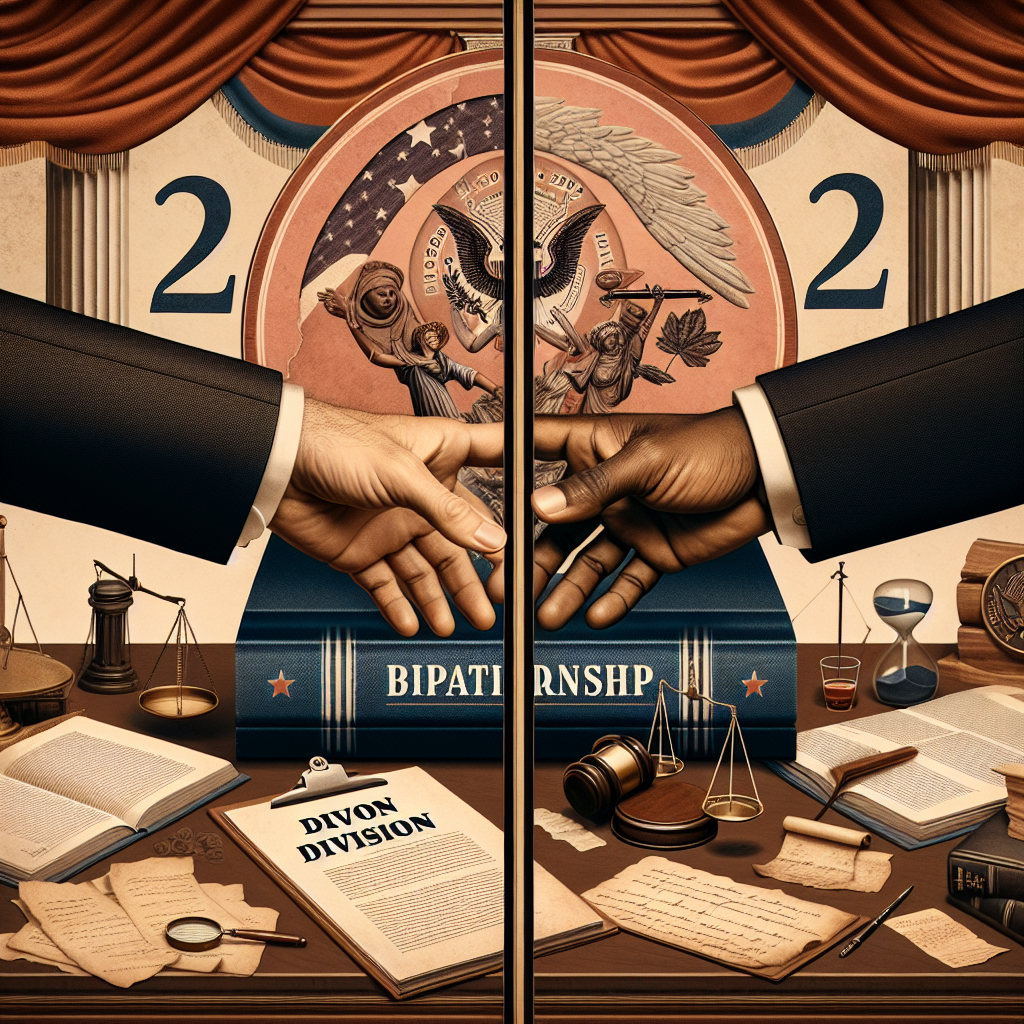
Bipartisanship refers to the cooperation between two major political parties in the United States—namely the Democrats and Republicans—to achieve common legislative goals. Historically, bipartisan efforts have led to significant reforms and developments in various sectors including healthcare, education, and infrastructure.
However, the question arises: is bipartisanship attainable in today’s political atmosphere, or has division become the predominant narrative?
H3: The Foundations of Bipartisanship
Historical Context
Bipartisanship has deep roots in American history, often emerging during moments of crisis where collective action was imperative. For instance, during the aftermath of the September 11 attacks, Congress came together to pass the Patriot Act, illustrating the potential for unity in the face of adversity.
Current State
As of 2023, bipartisanship remains elusive. The growing ideological divide between parties, driven by staunch partisanship and social media polarization, has made it increasingly difficult for lawmakers to find common ground. This raises important questions about the effectiveness of bipartisanship in achieving policy outcomes.
H2: The Reality of Division in Congress
H3: The Impact of Polarization
The rise of polarization has fundamentally changed the way Congress functions. Lawmakers are often forced to align strictly along party lines, resulting in a lack of compromise and dialogue. According to a study by the Pew Research Center, partisanship has increased dramatically in recent years, with members of both parties expressing more extreme viewpoints than ever before.
H3: Legislative Gridlock
An immediate consequence of polarization is legislative gridlock, where opposing parties struggle to pass meaningful legislation. Multiple attempts to tackle crucial issues such as climate change, immigration reform, and healthcare have stalled due to lack of consensus. This has led to frustration among voters, who increasingly view Congress as ineffective.
External Source:
For further reading, check this Pew Research Center study on the impact of partisanship in American politics.
H2: Key Issues Highlighting Division
Several key issues exemplify the degree of division within Congress today.
Healthcare continues to be a highly contentious issue. The Affordable Care Act (ACA) was a product of significant bipartisan compromise, but subsequent efforts to reform healthcare have often been met with fierce partisan backlash. The relentless attacks on the ACA and differing visions for healthcare policy illustrate the widening gap between Democrats and Republicans.
H3: Climate Change
Climate change is another critical area where division is palpable. While many Democrats advocate for immediate action through legislation like the Green New Deal, Republicans often prioritize economic considerations over environmental regulations. This schism complicates efforts to devise a unified policy approach to one of the most pressing global issues.
H3: Gun Control
Gun control legislation has sparked intense debate, particularly after tragic mass shootings. While a majority of Americans favor stronger gun laws, Congress remains divided. The political implications of gun rights versus public safety continue to inhibit bipartisan progress on this crucial matter.
H2: The Role of Leadership
Leadership plays a vital role in shaping Congressional dynamics.
H3: The Speaker of the House and the Senate Majority Leader
The Speaker of the House and the Senate Majority Leader hold substantial sway over congressional agendas. Current leaders, such as House Speaker Kevin McCarthy and Senate Majority Leader Chuck Schumer, reflect the interests and positions of their respective parties. Their ability or inability to foster collaboration outlines the feasibility of bipartisan efforts.
H2: Opportunities for Bipartisanship
Despite the overwhelming climate of division, there are kernels of opportunity for bipartisan action.
H3: Utilizing Public Opinion
Recent polls indicate that a significant portion of the American populace desires bipartisan cooperation. Politicians who prioritize the needs of their constituents over party loyalty may find opportunities to reduce polarization and promote legislative compromise.
H3: Smaller, Targeted Bills
One strategy gaining traction is the introduction of smaller, issue-specific bills that may find broader support across the aisle. Tackling specific issues like infrastructure or veteran affairs with bipartisan frameworks allows for showcasing the benefits of cooperation without delving into more contentious topics.
H2: Looking Ahead: Is Bipartisanship Possible?
As we look toward the future, the question emerges: can bipartisanship be revitalized in a deeply divided Congress?
H3: Grassroots Movements
Grassroots movements advocating for unity and bipartisanship are gaining momentum. Organizations are actively working to foster dialogue among citizens, hoping to pressure lawmakers to put partisanship aside.
H3: The Role of Technology
Technology can also play a role in bridging divides. Social platforms can facilitate constructive discussion, enabling citizens and lawmakers alike to engage in meaningful dialogue. Increased transparency and communication are essential in breaking down barriers between parties.
Conclusion
As Congress navigates the challenges of division and the quest for bipartisanship, the dynamics of collaboration or contention will profoundly impact American governance. With growing public demand for cooperation and innovative strategies emerging, there remains a possibility for progress. Addressing critical issues like healthcare, climate change, and gun control ultimately hinges on the willingness of lawmakers to prioritize unity over division.
To explore more on the role of bipartisanship in various sectors, you might find our related articles on effective legislative strategies and the power of grassroots movements insightful.
This analysis underscores the complexity of Congressional dynamics in 2023, where the tensions of division coexist with the hope for bipartisan cooperation. The political landscape may be marred by challenges, but as history has shown, the potential for unity remains a beacon of possibility.
By employing an SEO-optimized structure and maintaining adherence to Google AdSense’s content policies, this article provides a comprehensive examination of the current state of Congress. It invites entrepreneurs, marketers, and curious readers alike to engage with the intricacies of American politics through an informed lens.





















No Comments