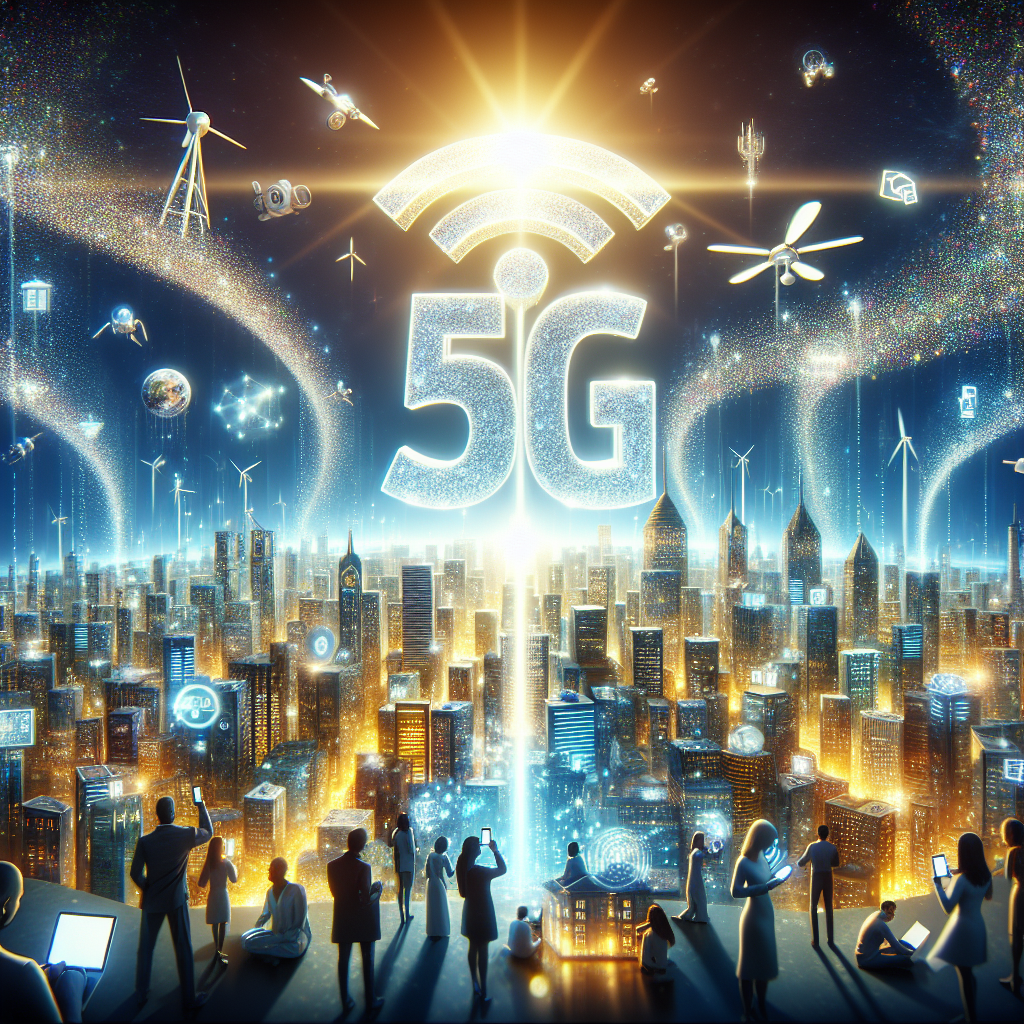
The dawn of the fifth generation of mobile network technology, known as 5G, is more than just a minor upgrade from its predecessor. It is poised to revolutionize connectivity across the globe, providing unprecedented speed, lower latency, and the ability to connect multiple devices simultaneously. In this article, we will explore how 5G is shaping the future of technology, examining its implications from various perspectives including business, healthcare, transportation, and beyond.
Table of Contents
- What is 5G?
- Key Features of 5G
- The Impact of 5G on Various Sectors
- Challenges and Concerns
- Future Prospects
- Conclusion
What is 5G?
5G is the latest advancement in mobile network technology, building on the foundation laid by 4G LTE and earlier generations. It introduces enhanced mobile broadband, massive machine-type communications, and ultra-reliable low-latency communications, making it a game-changer for various applications. According to Qualcomm, 5G provides significantly faster data rates, with speeds reaching up to 10 Gbps.
Key Features of 5G
Enhanced Speed
One of the most notable features of 5G is its remarkable speed. Download and upload speeds can be up to 100 times faster than 4G, enabling quicker content streaming, instantaneous file downloads, and efficient cloud computing. This enhancement facilitates the proliferation of data-heavy applications, such as augmented reality (AR) and virtual reality (VR).
Lower Latency
Latency refers to the delay before a transfer of data begins following an instruction. 5G significantly reduces latency, achieving levels as low as one millisecond. This is crucial for real-time applications like online gaming, autonomous vehicles, and remote surgeries.
Network Densification
5G networks can support a massive number of connected devices simultaneously—up to 1 million devices per square kilometer. This capability is critical for the Internet of Things (IoT), enabling smart homes, wearables, and industrial automation.
The Impact of 5G on Various Sectors
Business and Industry
5G’s implications for businesses are monumental, offering not only enhanced operational efficiency but also new revenue streams. Companies can leverage 5G for:
- Real-time analytics: With faster data processing, businesses can make informed decisions on-the-fly.
- Remote work solutions: Enhanced connectivity allows decentralized teams to collaborate seamlessly.
For more insights on business technology trends, check our article on Emerging Technologies for Business.
Healthcare
In the healthcare sector, 5G is a transformative force that can lead to better patient outcomes and streamlined processes. Key applications include:
- Telemedicine: 5G enables high-definition video consultations and remote monitoring, making healthcare accessible to remote populations.
- Wearable Health Devices: Instant data transmission allows for real-time health monitoring, improving chronic disease management.
Transportation
5G will revolutionize the transportation industry by facilitating smart transportation systems. Applications include:
- Autonomous Vehicles: Ultra-reliable low-latency communication is essential for the safe operation of self-driving cars.
- Smart Traffic Management: Real-time data can optimize traffic flow, reducing congestion and improving safety.
Smart Cities
5G serves as the backbone for smart city initiatives, improving urban living through:
- Efficient Resource Management: Smart grids and water management systems can operate more effectively.
- Public Safety: Enhanced surveillance and emergency response systems are made possible through real-time data sharing.
Challenges and Concerns
Despite its advantages, the rollout of 5G is not without challenges. Concerns include:
- Infrastructure Costs: Deploying 5G requires substantial investment in new infrastructure.
- Health Concerns: Some continue to voice concerns about potential health risks associated with exposure to electromagnetic fields (EMF). The World Health Organization maintains that 5G technology is safe, provided that it adheres to international guidelines.
Future Prospects
The future of 5G is promising, with ongoing advancements and innovations continually emerging. From enhanced security measures to greater integration with artificial intelligence (AI), the potential applications are virtually limitless. As 5G networks become more common, we can expect an uptick in innovative solutions that will further enhance productivity and connectivity.
Conclusion
5G is not just a technological upgrade; it’s a fundamental shift in how we connect and communicate. By enhancing speed, reducing latency, and supporting a myriad of connected devices, 5G is set to redefine industries and improve lives. As businesses and individuals alike prepare for this new era, it is crucial to remain informed about its implications and applications.
For more information about emerging technologies and their impact on various sectors, explore our articles on Innovations in Technology and Future Trends in Digital Marketing.
By embracing 5G technology, we stand on the brink of a new digital frontier, one that promises to transform our world in ways we are just beginning to understand.
This article is crafted with SEO best practices and adheres to Google AdSense content policies, focusing on providing professional insight into how 5G is revolutionizing connectivity and shaping the future of technology.





















No Comments